
Urban vs. Suburban Living: Weighing the Pros and Cons

Nov 7, 2023

Urban vs. Suburban Living: Weighing the Pros and Cons

Choosing between urban and suburban living can be a real head-scratcher for many. The allure of vibrant city life in places like Beirut and Tripoli pulls some in, while others find solace in the tranquil embrace of suburban havens. Lucky for the Lebanese folks, our small but mighty country boasts proximity as one of its most appealing qualities, so getting the best of two worlds simultaneously is also attainable. After all, where else can you go from beach to mountain in under an hour?

So, whether you're contemplating city life or seeking suburban serenity, we're here to unpack the pros and cons of both lifestyles.

Urban Living in Lebanon

It’s no secret that Lebanon’s urban areas have the feel of a concrete jungle: the high population density, the packed buildings, the bustling atmosphere, the fast-paced everything. Are you contemplating living in an urban area? Here are some factors to consider.
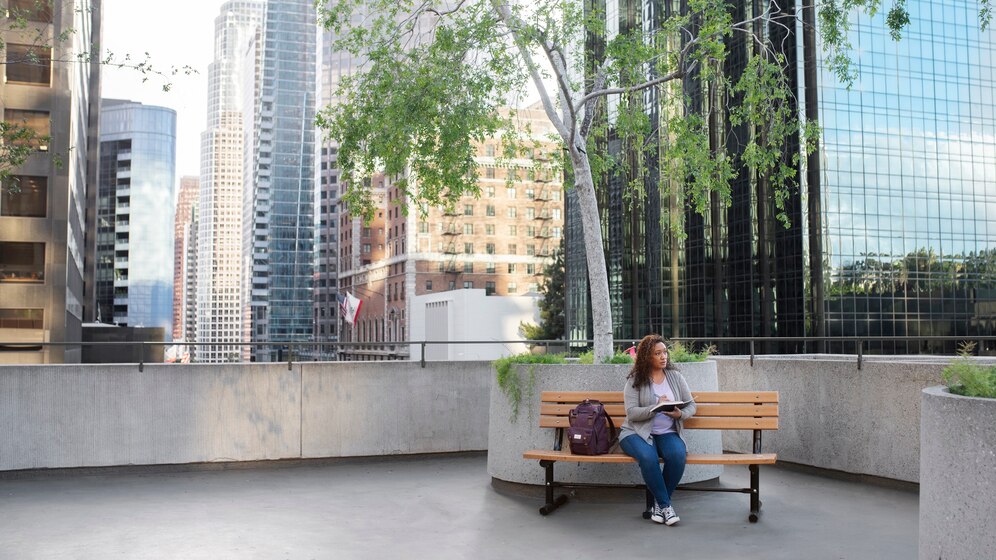
The Pros:

1- Convenience. Living in the city means having everything you need at your fingertips, from an array of restaurants, shopping centers, and supermarkets, countless options are usually mere minutes away.
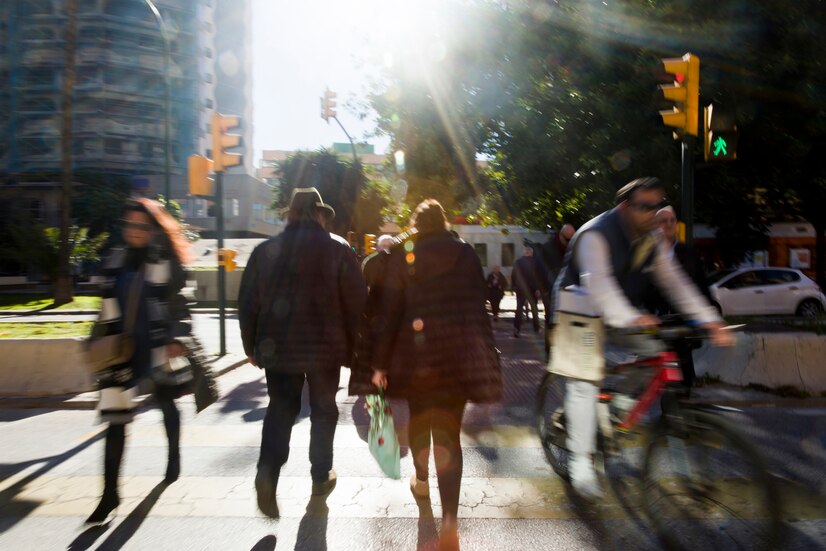
2- Career Opportunities. For professionals climbing the corporate ladder or in pursuit of career success, Lebanon’s urban hubs are ripe with job opportunities, networking events, and progress potential.

3- Transportation. While public buses serve rural areas to some extent, they are abundant in the cities, as well as the taxis known locally as “services.”

4- Proximity to the Mediterranean Coast. For all the thalassophiles, living in urban Lebanon means the shoreline is always nearby.

The Cons:

1- High Living Costs. Budgeting in urban areas is tougher than it is in the suburbs with skyrocketing living costs, property prices, and daily expenses, especially with the lack of proper governmental control over the market amid the ongoing economic crisis.

2- Noise and Air Pollution. With the high population density and increased vehicular activity, Lebanon’s heavily-congested urban environments are known to be plagued by noise and air pollution.

3- Traffic Congestion. Despite Lebanon’s petite size of 10,450 km², rush hours can feel excruciating and lead to increased stress levels.

4- Lack of Green Spaces. Urban Lebanon offers various amenities, but access to green spaces and parks to unwind and relax in is highly limited.

Suburban Living in Lebanon

Lebanon's suburban areas, steeped in cultural heritage and abundant natural wonders hold an undeniable allure. Let’s delve into the pros and cons of embracing the suburban lifestyle in Lebanon.

The Pros

1- Sense of Community. In Lebanon’s Suburban neighborhoods, the sense of community is nurtured and upheld, and neighborly relationships are closer-knit. This can foster a safe and supportive environment for families and children.
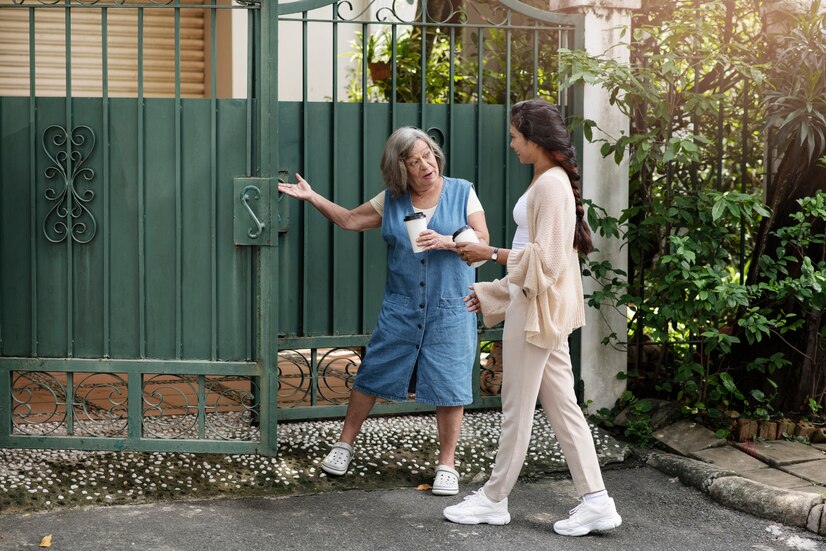
2- Budget Friendly. Suburban living in Lebanon generally means affordable housing options and reduced daily expenses, a greatly advantageous option for individuals looking to save money.

3- Peaceful Atmosphere. With quieter atmospheres and natural landscapes all around, lifestyles in suburban Lebanon tend to be more peaceful and less guided by the constant sense of urgency that permeates city life.
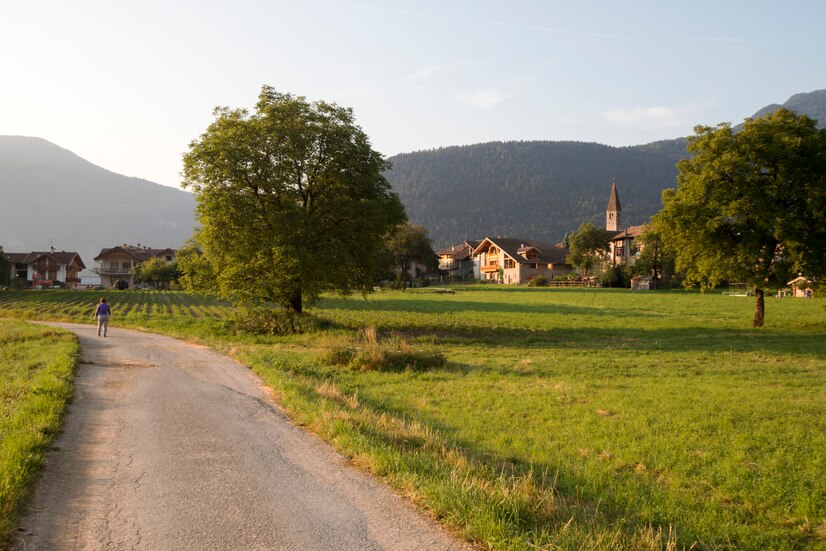
4- Nature. Living in quieter, slower-paced suburban areas means one has more time to connect with the natural world, cultivate a green thumb and perhaps even live self-sustainably through homegrown produce and dairy products.

The Cons

1- Transportation Troubles. With longer commute times and limited public transport options, suburban residents may face transportation challenges when traveling to work or accessing certain amenities.

2- Less Entertainment Options. While suburban living offers alternative entertainment options like local events, wildlife observations, hiking events and more, Lebanon’s urban areas steal the show with their vibrant nightlife and cultural events, catering to a more diverse range of preferences.

Making the choice between urban or suburban living in Lebanon is a complex one, with each presenting its own benefits as well as drawbacks. Ultimately, it all comes down to individual priorities and the willingness to make certain sacrifices.

The Power of Real Estate Crowdfunding
The Power of Real Estate Crowdfunding Real estate crowdfunding has emerged as a game changer in the world of property investment, democratizing access to opportunities and redefining how investors interact with this asset class. In this in-depth discussion, we'll look into the several benefits of real estate crowdfunding that make it an appealing option for both rookie and seasoned investors. 1. Accessibility and Inclusivity One of the distinguishing features of real estate crowdfunding is its ease of use. Unlike traditional real estate investments, which can need significant wealth and financial resources, crowdfunding platforms have enabled a broader audience to participate. This democratization of real estate investing allows people with varied budgets to engage in projects they might not have been able to access previously. Whether you want to spend a few hundred dollars or many thousand, the world of real estate crowdfunding has a place for you. 2. Diversification Diversification is an important investing strategy, and real estate crowdfunding shines in this area. You can spread your investment across numerous real estate projects rather of placing all of your financial resources into a single property. Diversification not only reduces risk but also exposes investors to a variety of markets, property kinds, and geographic areas. This makes your portfolio less vulnerable to the volatility of any single asset. 3. Lower Entry Barriers Diversification is an important investing strategy, and real estate crowdfunding shines in this area. You can spread your investment across numerous real estate projects rather of placing all of your financial resources into a single property. Diversification not only reduces risk but also exposes investors to a variety of markets, property kinds, and geographic areas. This makes your portfolio less vulnerable to the volatility of any single asset. 4. Transparency and Information Transparency is essential for profitable investing, and real estate crowdfunding platforms excel at providing detailed information about the projects they offer. Before making an investment, you can obtain detailed information about the property, such as its location, project details, financial projections, and even the developers and their track record. This transparency enables investors to make more informed decisions, lowering the risk associated with their investment decisions. 5. Reduced Hassles Owning and managing physical real estate properties frequently entails a significant amount of work, ranging from property maintenance to dealing with tenants. Real estate crowdfunding, on the other hand, allows investors to reap the benefits of real estate without the day-to-day hassles. Crowdfunding investments are typically passive, allowing investors to concentrate on the financial aspects of property ownership while avoiding the responsibilities of property management. This convenience is especially appealing to those who want to earn money without having to work hard. 6. Investment Opportunities Across Sectors Real estate crowdfunding platforms offer a wide range of investment options. There are numerous options available, whether you are looking for residential properties, commercial real estate, or development projects. This adaptability enables investors to tailor their portfolios to their preferences and risk tolerance, broadening the range of investment options. 7. Mitigated Risk Through Collaborative Investment Real estate crowdfunding is an example of how many hands make light work. When you invest in a property through crowdfunding, your money is combined with the money of other investors, resulting in a joint investment. Because of this shared approach, both gains and losses are distributed among multiple investors, which can help mitigate risk. If a specific project encounters difficulties, the burden is distributed across a larger base, potentially reducing the impact on individual investors. Finally, real estate crowdfunding has brought a new era of inclusivity, diversification, and accessibility to the world of property investment. Its transparency, low entry barriers, and ability to generate passive income have made it an appealing option for those looking to invest in real estate. Whether you're a first-time investor or a seasoned pro, the power of real estate crowdfunding allows you to reap the benefits of this asset class with lower barriers and greater diversity.
The Rise of Sustainable Homes: Investing in Eco-Friendly Real Estate
The Rise of Sustainable Homes: Investing in Eco-Friendly Real Estate Embracing a more green Lebanon has been on the rise for the past decade. In fact, Lebanon was behind on this movement whilst neighboring countries strived to implement environmentally friendly technologies nationwide; Lebanese real-estaters often sought out luxury over sustainability. However, as more awareness was raised about the benefits of sustainable living, eco-friendly properties have been a growing trend in real estate for several years now. Let's explore the appeal behind this revolutionary step. Understanding the positive impact of an eco-friendly house requires an understanding of its actual meaning and what it embodies within its execution. An eco-friendly house is basically a house which respects the environment, is made from non-toxic materials, and is energy-efficient both in its construction and use. It can also imply due to new technologies and construction methods that it is constantly evolving. The house is designed from A to Z to be harmonious with its natural surroundings and constructed with recyclable and non-pollutant materials, as well as equipped with appliances meant to reduce energy consumption. Eco-friendly properties use renewable energy sources like solar panels or wind turbines and are built with sustainable materials like bamboo or recycled steel. Some may have features like rainwater harvesting systems or green roofs to help reduce their environmental impact. Sustainable houses come in different types such as bioclimatic, passive, wooden, eco-friendly cement, brick, tiny houses, etc. Digging a little deeper into the features of these homes demonstrates how their green characteristics result in long-term benefits and value. Bioclimatic houses use natural resources from their environment and little energy and that is essentially due to their geographical position; the house is located in a manner where the sun warms it, with southern-facing windows, and where heavy tree cover provides shade to certain rooms. Passive houses, as their name would indicate, have a very low-energy consumption. They distinctively produce nearly all their heating needs through the sun’s energy. And so their appliances must be very well insulated and over half of their windows should be facing south. Wood is the most used material when building these types of homes. It is natural, renewable and serves as a very good insulator. It could also be replaced with other materials such as eco-friendly cement; brick or compacted blocks of earth. These materials, in their raw state, respect the concept of "sustainable architecture" and therefore minimize, from the construction phase up until their final lifespan of recycling, the environmental impact of the eco-friendly house on the planet. Tiny houses are small wooden houses built on a trailer with important financial advantages of affordable construction costs and an overall pleasant lifestyle. Reducing energy consumption and costs, improving indoor air quality, and reducing carbon emissions have been established as the pillars of green architecture. These benefits can also increase property value and appeal to environmentally conscious buyers. Now, let's tackle the concept of "sustainable architecture". The main two goals of eco-friendly houses are to minimize any negative or damaging environmental impact of both construction and use. Therefore, the appliances used in an eco-friendly house should be environmentally friendly and reduce energy consumption. With that, sustainable technology such as geothermal energy and solar energy is preferred. This allows major savings on the electricity bill. At the core of it all, a mechanism of functionality meets design is optimized for the greater purpose. The versatility of alternative eco-friendly solutions is another significant component to shed light on. And it doesn't have to lack the "luxurious" aspect as you can still style your home internally and externally to your fashion-liking. Good taste doesn't have to be toxic. From enhancing the exterior design to thermal insulation, ventilation, energy production and efficiency, green architecture offers a sustainable low-tech way of living. If in the winter the sun heats the house, in the summer you can cool the house by avoiding direct exposure to sunlight; here's an excuse for planting more trees in front of your window. As well as installing a hedge to provide shade and choosing wood instead of cement for the terrace floor, as it stores less heat in the summer. Insulation is essential to avoid losing energy and reduce consumption. It allows heat to be better stored whilst improving the comfort for the residents. The roof is the most important part which needs to be insulated as this is where most heat escapes. Insulating walls, under floors and windows also helps limit heat loss. The flow and renewal of air is important both for health and to avoid humidity and dampness in the home. Install solar panels on the house's roof to produce self-supply electricity. You can save energy by consuming smart; for instance, you can install low consumption light bulbs, such as LED, purchase appliances with A+ energy ratings as a minimum, install devices such as low-consumption shower heads, toilets with two usage options or a rainwater collection system to control water use and install a highly energy-efficient water boiler. And that was your 101 on the features and benefits of eco-friendly houses; it is no wonder that this phenomenon is leaving a big imprint in the world of real-estate in Lebanon as we witness the widespread shift into green, sustainable and naturally-smart architecture.
The comprehensive guide for investing in real estate in Beirut
The comprehensive guide for investing in real estate in Beirut Real estate investors from all over the world have been flocking to Beirut , the capital city of Lebanon, because of the city's lively and dynamic atmosphere. Beirut is a metropolis that has been drawing investors. A vibrant hub for commerce, tourism, and real estate investment, Beirut has been able to achieve this status as a result of its extensive history, diversified culture, and strategic position. An Examination of the Real Estate Market in Beirut: The city of Beirut has seen significant changes during its entire history. Beirut has witnessed a tremendous metamorphosis, transforming from the ruins of a civil war that lasted from 1975 to 1990 into a bustling and cosmopolitan metropolis. This development has occurred throughout the centuries.  The city currently exhibits a mesmerizing combination of historical attraction and contemporary attractiveness, which is a sight to behold. In recent years, the real estate market in Beirut has witnessed a substantial boom, which has resulted in the birth of a large number of new buildings and projects all across the city. Possibilities for financial investment in Beirut: The city of Beirut is a desirable location for real estate investment due to the great potential for high returns on investment because of its location. In comparison to the pricing of real estate in other major cities in the area, Beirut's prices are more inexpensive, despite the fact that there is a significant demand for real estate in the city. There are several different types of investment options available in Beirut, including residential homes, commercial buildings , and land development . Real estate that is primarily residential: The residential real estate market in Beirut has a diverse selection of homes that may accommodate a wide range of preferences and levels of financial resources. Beirut has a comprehensive selection of housing alternatives, making it possible to satisfy a wide variety of preferences and inclinations. Whether you are seeking a classic house in a historic neighborhood or a magnificent apartment in a high-rise structure, you will be able to discover something in this bustling city that is suitable for your requirements. A number of the residential neighborhoods of Beirut, including Achrafieh, Hamra, and Verdun, are among the most sought after. Commercially viable real estate properties: In addition to having a thriving economy that attracts investors from all over the world, Beirut is well-known for its robust commercial and commerce environment. The commercial real estate market in Beirut provides a diverse selection of properties to meet the requirements of a wide range of businesses because of its versatility.  For those interested in commercial real estate, Beirut offers a diverse selection of alternatives, ranging from office spaces in contemporary buildings to retail spaces in bustling shopping areas. The city's strong corporate climate makes it an appealing location for investors who are wanting to profit on the city's economic growth. Lands: Those investors who are oriented toward a long-term perspective will find that investing in land in Beirut is a lucrative prospect. As a result of the current state of the market in Beirut, it is projected that the value of land will see a major increase in the not too distant future. Due to the fact that Beirut is home to a number of different districts that are now undergoing growth, the city is an excellent option for investors who are looking to capitalize on the proliferation of the city. Questions That Are Frequently Asked: Regarding real estate investment, which neighborhoods in Beirut are now drawing the most attention from potential buyers? Achrafieh, Hamra, and Verdun are now the most sought-after neighborhoods in Beirut for real estate investment, according to the patterns that have been seen in the market. Can you tell me about the availability of reasonably priced real estate in Beirut? To answer your question, yes, there are a great number of reasonably priced houses available in Beirut, notably in the suburbs and the districts around the main metropolis. Given the current situation of the real estate market in Beirut, what is the probable return on investment? There is a large potential for return on investment in the real estate market in Beirut, particularly for investors that have a long-term view on the situation. In conclusion, the real estate market in Beirut is a dynamic and compelling industry that offers potential investors a wide range of investment opportunities to choose from. The city of Beirut provides a comprehensive selection of alternatives, which include residential houses, commercial properties, and land, to meet the requirements and interests of a wide spectrum of individuals. Real estate investors from all over the world have been flocking to Beirut, the capital city of Lebanon, because of the city's lively and dynamic atmosphere. Beirut is a metropolis that has been drawing investors. A vibrant hub for commerce, tourism, and real estate investment, Beirut has been able to achieve this status as a result of its extensive history, diversified culture, and strategic position.